What is IPTV? A plain-English guide
IPTV just means television delivered over the internet instead of a dish or aerial. Here's how it actually works — no jargon.
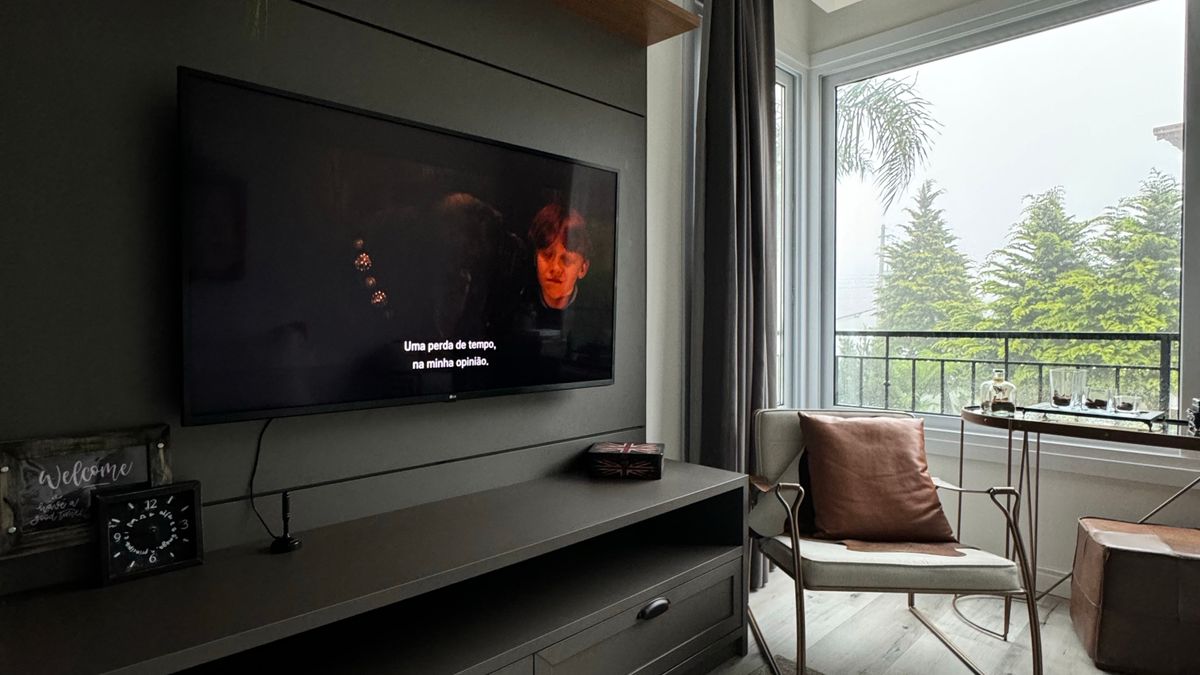
IPTV stands for Internet Protocol Television. The short version: your channels travel over your internet connection instead of a satellite dish, aerial or cable line.
How it works
A provider sends channels as data across the internet. Your player app receives that data, turns it into picture and sound, and shows it on your TV. That is the whole trick.
What you need
- A stable internet connection (roughly 25 Mbps for one 4K stream is comfortable)
- A device — streaming stick, TV box, Smart TV or phone
- A player app such as the IPTV player or the IPTV app
- A login — usually an M3U link or API login (server, username, password)
IPTV vs streaming apps
streaming apps and streaming apps are also delivered over the internet, so people sometimes confuse the two. The difference is the shape: IPTV behaves like traditional TV with a channel list and a programme guide, while streaming apps are on-demand libraries.
IPTV vs cable
The picture comes through the same router you already pay for, so there is no dish, no aerial and no extra cabling. That is why it is cheap to run and why it works on almost any screen you already own.
The best way to judge any IPTV service is to ask for a free test line before you pay.
Need a hand setting this up?
Send a photo of your screen by message and we'll walk you through it.
Get setup helpKeep reading

Best IPTV service: how to spot a good one from a scam
Every IPTV seller claims to be the best. Here is the short checklist that separates a service that lasts from one that vanishes in a month.

IPTV UK: what to check before you buy
UK IPTV lives or dies on peak-time football and a guide set to the right time zone. Here is the pre-purchase checklist.

Cable vs streaming vs IPTV: which actually saves you money?
Cable, streaming services and IPTV each win somewhere. Here is the honest cost comparison — including the hidden costs people forget until the first bill.